
There are situations we stay in long enough to stop seeing.
Not because nothing has changed.
But because we have.
The first time a line is crossed, we notice it.
We pause.
We ask ourselves whether that was right.
The second time, we still feel something.
By the tenth time, it has become part of the furniture.
That is one of the quiet dangers of familiarity. What once disturbed us can eventually become ordinary, not because it became right, but because we became used to it.
Sometimes, we stay because we love.
Sometimes, because we hope.
Sometimes, because leaving would require an admission that something we invested so much in is no longer what we thought it was.
And sometimes, we simply stay because staying has become our job.
Obligation has a way of disguising itself as virtue.
You keep showing up.
You keep giving.
You keep understanding.
You keep making allowances.
Until one day, you realise you can no longer tell where love ended and duty began.
That is why perspective matters.
There is a reason you do not talk while you are on the table.
When you are inside a situation, you may be too close to see the entire arrangement. You can see the plates in front of you without noticing what is being placed around you.
We all need a lens that exists outside us.
A person who can ask the question we have stopped asking.
A truth that does not bend simply because we have become emotionally attached to the situation.
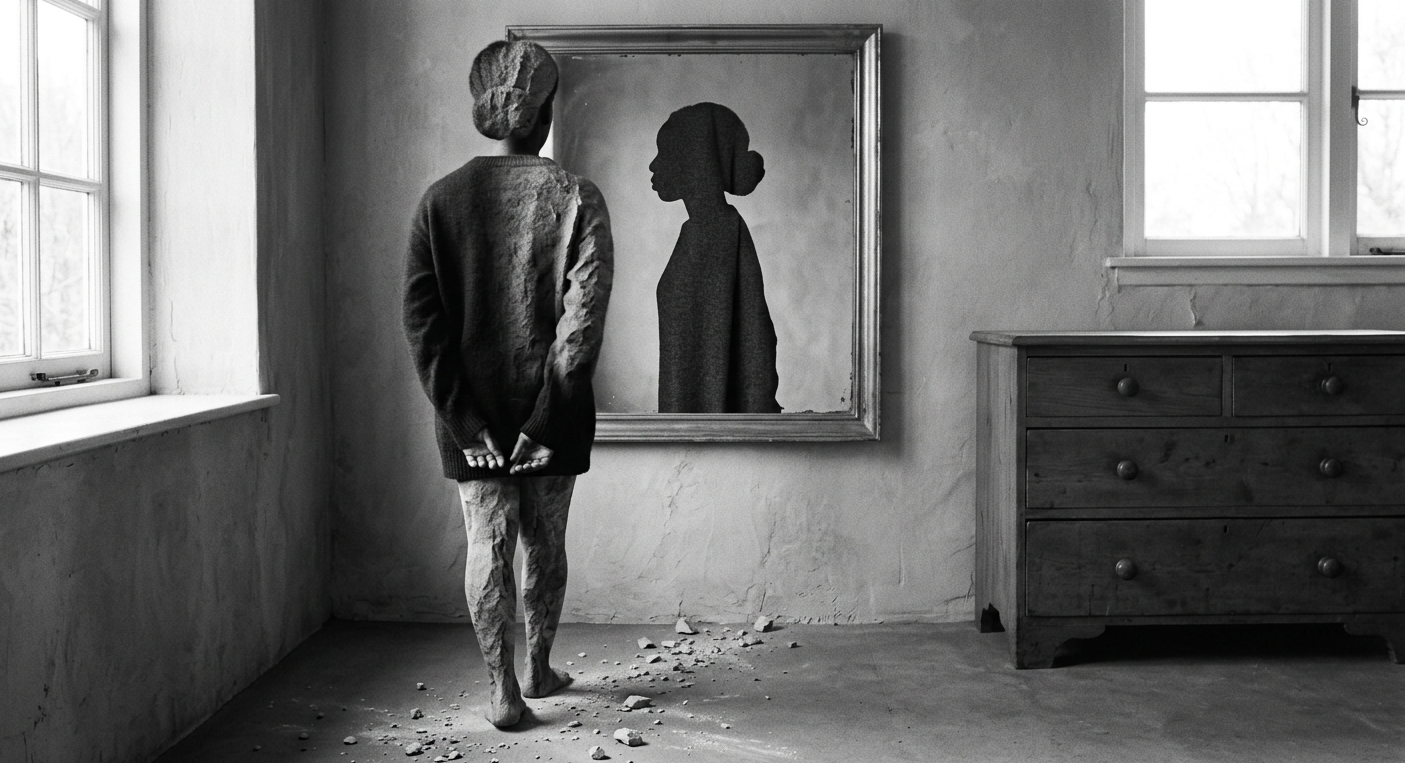
A mirror that does not flatter.
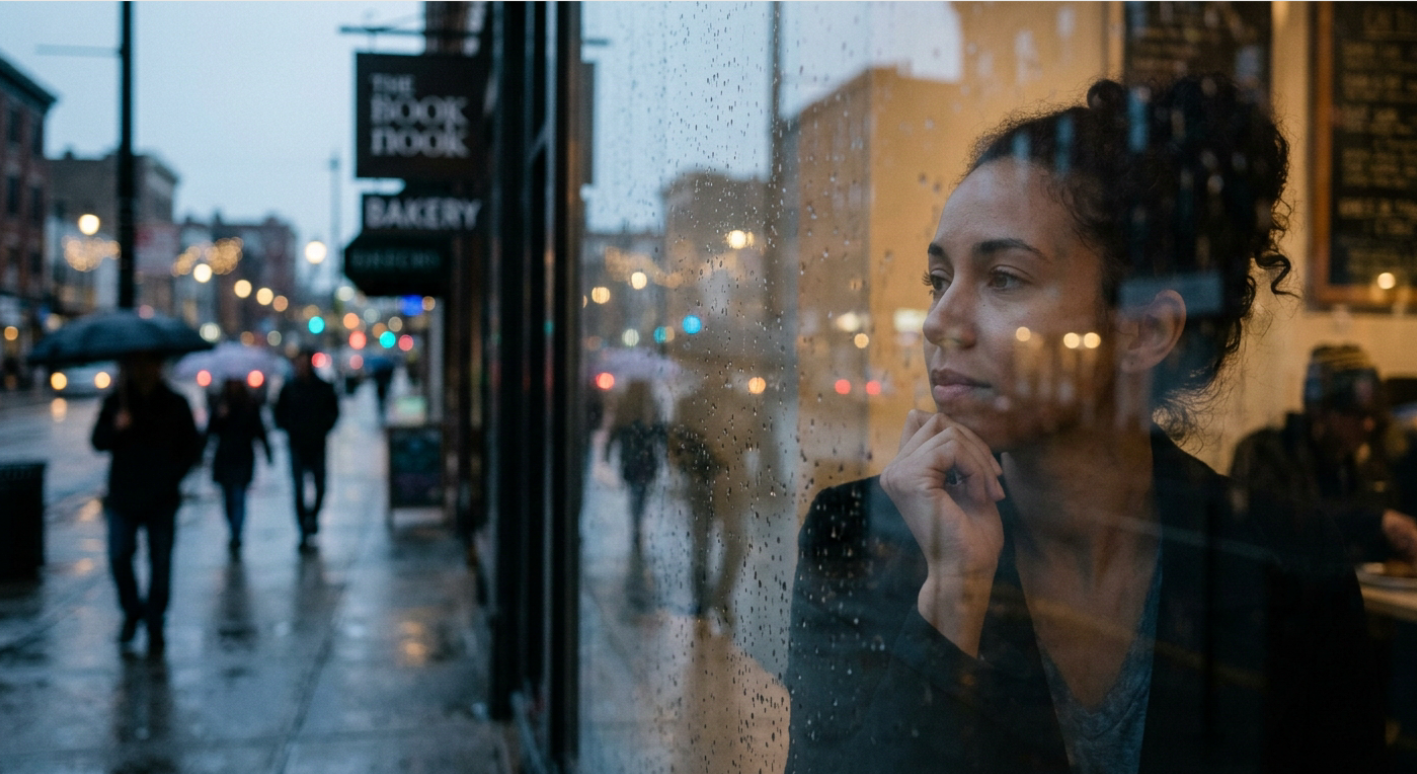
A moment of distance.
A voice that can say, “Look again.”
Because blurred lines do not disappear.
They are only harder to see.
And perhaps that is one of the reasons truth matters so much. Not convenient truth. Not truth adjusted to protect our investment. Truth.
The kind that remains true even when it is uncomfortable.
The kind that reminds us that love is not a trade.
Love cannot survive as a ledger where every act of kindness is quietly entered as a debt to be repaid. Neither should sacrifice become a currency used to purchase access, loyalty or another person’s freedom.
To love someone does not mean losing the right to see clearly.
And to give does not mean forgetting that you also exist.
There must be a balance.
Not the balance of loving less.
But the balance of remaining whole while we love.
Of knowing when care has become control.
When sacrifice has become self-erasure.
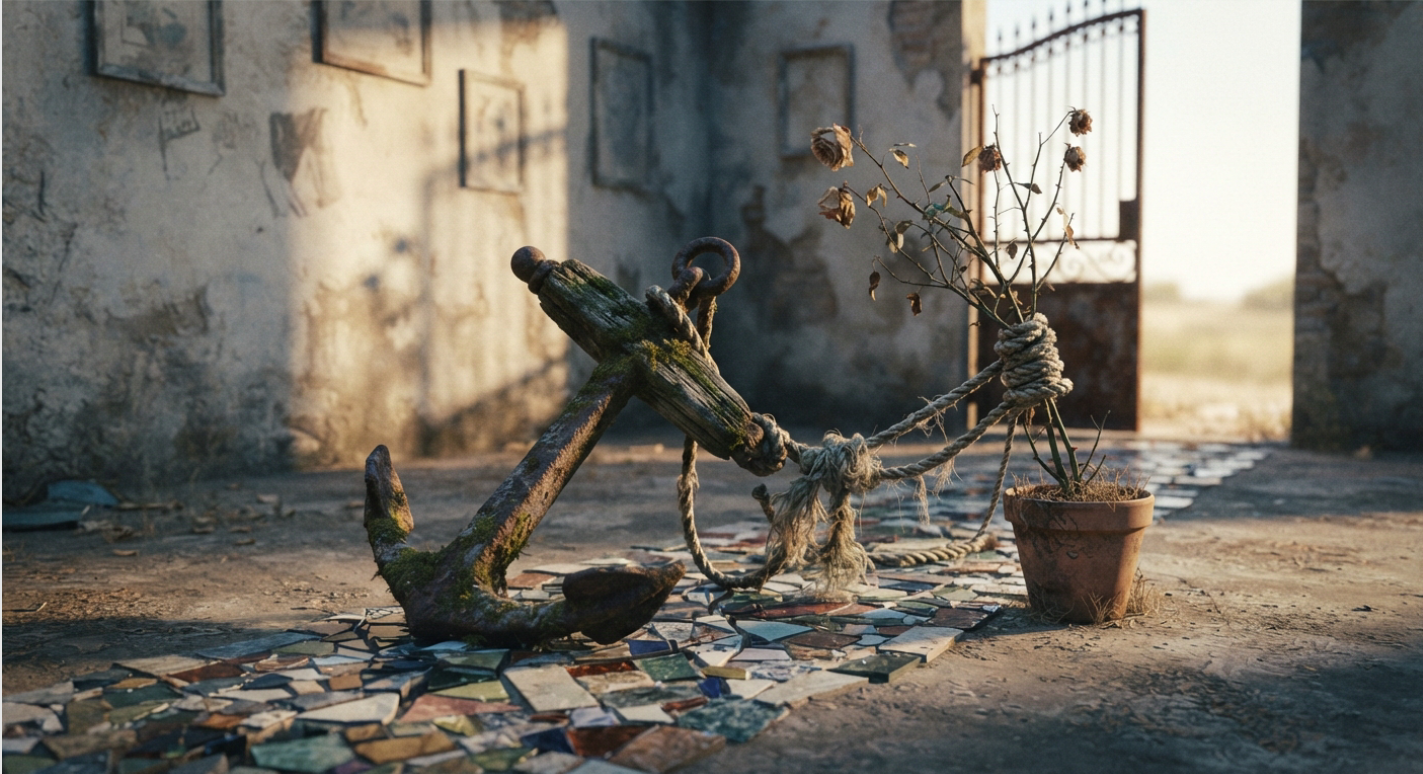
When commitment has become captivity.
When understanding everyone else has become a convenient way of abandoning ourselves.
Perhaps that is the work we must keep doing throughout our lives.
Finding the truth.
Stepping back from the table.
Looking again.
And making sure that in trying to love well, we have not forgotten who we are.
Nugget: Sometimes, clarity does not come from looking harder. It comes from stepping far enough back to finally see what you have been living inside.